Many communities in Mali struggle with extreme poverty and have limited access to financing from large banks. To address this, ADER-COV provides small loans to women’s groups, alongside training in entrepreneurship and business administration, to help them develop income-generating activities.
Successful past loans include community gardening initiatives, poultry or goat breeding, and processing local produce such as shea nuts. These loans are also granted to small agricultural producers, fishermen’s cooperatives and dairy farms in order to acquire any necessary equipment to improve their income generation.
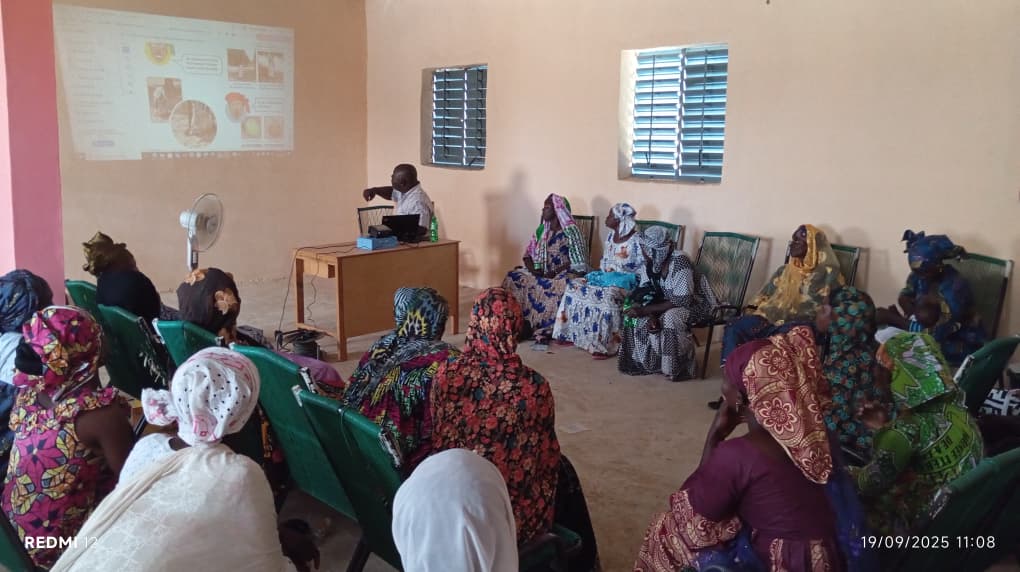
ADER-COV’s mission includes indirect support to these small businesses as well. Our most successful series of projects recently are the deployment of solar microgrids in the 25-100kWh range to remote communities. Access to solar power through our efforts brings energy independance to these communities, often providing electrification for the first time as most remote communities are not connected to the national utility grid in Mali.
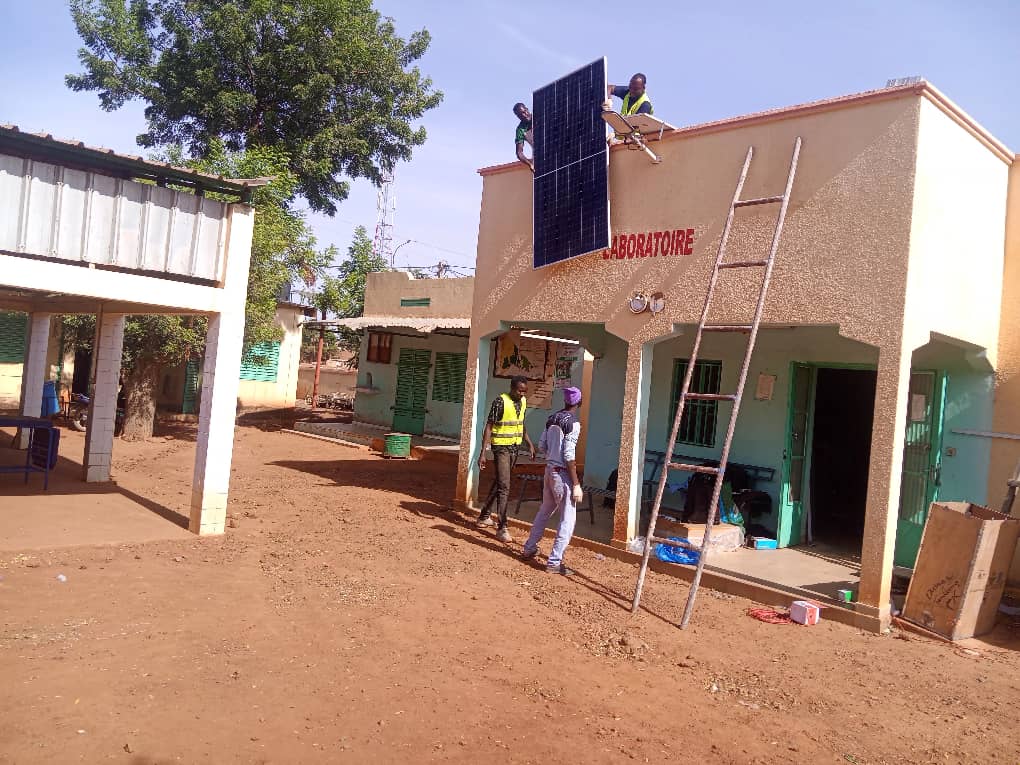
Electrification, particularly through access to abundant solar energy, brings ongoing benefits to these communities and the small business holders in them. Our solar microgrids promote economic and social development through improved education, health, agricultural output and job creation. In turn, this reduces the exodus from rural communities towards the more developed urban areas in search of economic opportunities.
Deployment of renewable energy also supports a just, clean energy transition away from costly and polluting fossil fuels. Brownouts on the national energy grid are common with only a few hours of power each week at present. Solar microgrids provide reliable energy to a community whether it is grid connected or not.